මෑත වසරවලදී, ළදරුවාගේ අධ් යාපනය දියුණුවක් හා අන්තර්ජාලය පරිවර්තනය කර තිබෙනවා. ලොව පුරා අධ් යාපනික ආයතන වැඩියෙන් අලුත් තාක්ෂණික භාවිත කරමින්, ශිෂ් යයන් සම්බන්ධකම් දියුණු කිරීමට, සහ සම්පූර්ණ ඉගෙනගැනීමේ ප් රතිඵල දියුණු කරගන්න. මෙම පරිවර්තනයේ තරංගයේ, Qtenboard අන්තර්ජාලය දර්ශන ප් රධාන විසඳුමක් විදිහට උනා ගුරුවරුන් සහ ශිෂ් යයන්ගේ අවශ් යතාව පන්තියේ පරිසරවලින්. පහුගිය අවුරුදු දෙකක් තිස්සේ, කුට්න්බෝඩ් එක් පන්තියේ පන්තියේ ඉගැන්වීම සඳහා නිර්මාණය කිරීම සඳහා නිර්මාණය කිරීමට ප් රසිද්ධ අධ් යාපන කණ්ඩායම් කණ්ඩායම් කණ්ඩායමක් වර්ධනය කිරීමට කුමක් කළා සිද්ධීන්. මේ හවුල් තත්වය මාර්ගයෙන්, අපි විවිධ වර්ග දහස් ගණනක් යොදාගත්තා, අධ් යාපනික අවස්ථාවලදී දරුවන් සමඟ සම්බන්ධකම් සම්බන්ධයෙන් සම්බන්ධයෙන් සම්බන්ධයෙන් අද්දැකීම් රැකීම් රැකීම්
බොහෝ තාක්ෂණය සංවර්ධනය කරන අය විශ්වාස කරනවා B-භාෂාවේ අධ් යාපන නිෂ්පාදන නිපදවීම් නිර්මාණයක් නිර්මාණයක් නිර්මාණය කිරීම තහවුරු කිරීමට වඩා අඩු ප් රයෝජන වේ. C-පාර පිරිමි නිෂ්පාදන. පරිශීලක නිෂ්පාදන වලින් නොව, පරිශීලක ප් රතිචාරය ඉක්මනින් හා තනිකම වැදගත්, B-ද්ගලික නිෂ්පාදක වල සාර්ථකව රඳා පවතී ගුරුවරුන් සහ ශිෂ් යයන් විසින් සම්බන්ධ භාවිතය මත. කොහොමවුනත්, කුට්න්බෝඩ්ගේ අත්දැකීම ඔප්පු කරලා තියෙනවා වෙනත් විදිහට. හවුල්කරුවන් සමඟ සමග සමග සහයෝගයෙන් සහ සැබෑ පරිශීලකෝ-ගුරුවරුන් සහ දරුවන්- අපි වටිනා අවධානය යොමු කරලා තියෙනවා. පන්තියේ කාමරය අවශ් යතාව සේවය කිරීමට අන්තර්ජාලය දර්ශනය තාක්ෂණය ලබාගන්න.
මේ තත්වය මාර්ගයෙන්, අපි කෙලින්ම සාකච්ඡා කරන දරුවන් සමග සම්බන්ධයෙන්, මඟ පෙන්වීම් ලබා දෙනවා. දරුවන්ගේ උනන්දුව, සහභාගි වීම දැකීම, සහ පන්ති කාමර වල අභියෝග වන්නේ Qtenboard සම්පූර්ණයෙන්ම සම්පූර්ණයෙන්ම ක් රියාත්මක දර්ශන නිර්මාණයක් කුමක්ද?
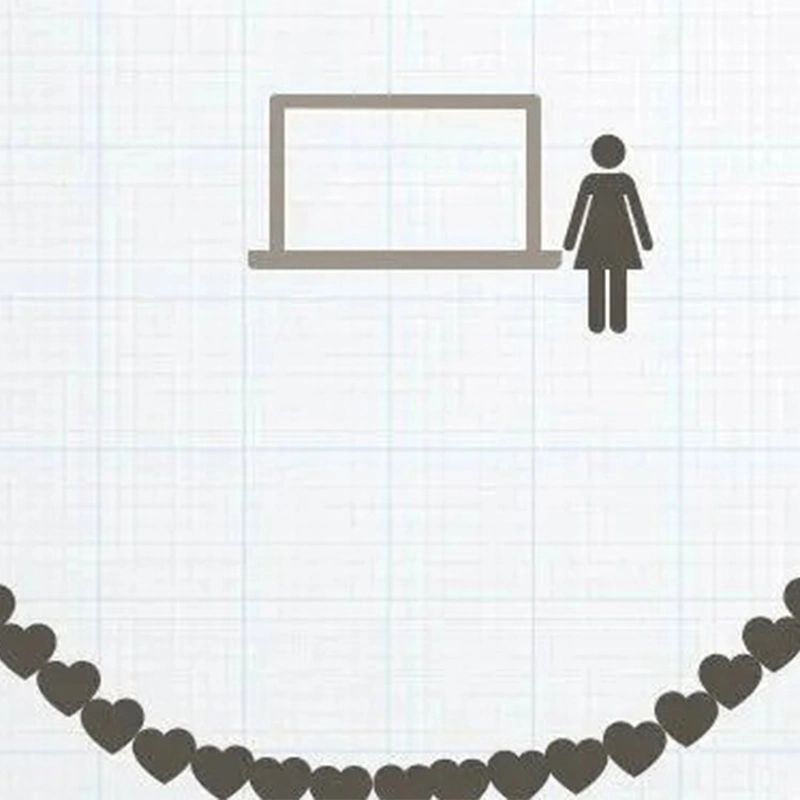
වර්ග මීටර් 30ක් පමණයි. ගුරුවරයා හිටගෙන ඉන්නේ අන්තර්ජාල දර්ශනයේ ළඟ, තිරයේ උස උස සමග ගුරුවරයාගේ උස අත්ත් එක්ක සමග. දරුවන් 25ක් පමණ තිරයේ මීටර් තුනක් පමණ දුරට වාඩි වෙනවා. පරිසරයක් සඳහා අන්තර්ජාලය නිර්මාණය කරද්දී, දරුවා උස, තිර ස්ථානය, සහ සහභාගිකයන් අතර දුර විශේෂයෙන්ම අන්තර්ජාලය දර්ශනයේ භාවිතය සහ අන්තර්ජාලකතාවට බලපෑමට.
පළවෙනි අධ් යාපන ක් රීඩා පරීක්ෂණයේදී, ඉන් අදහස් කරන්නේ කුඩා උස හෝ මූලික ස්ථානයේ පවා අධ් යාපනය අත් කරගත හැකි බවයි. සමහර අවස්ථාවලදී ගුරුවරුන්ට දරුවන් සම්බන්ධකම්වලට යොදාගන්න උදව් කරන්න සිදු වුණා. මෙම සැබෑ ලෝක නිරීක්ෂණය අවධානය යොමු වුණේ සෑම චී වලටම පරිශීලක උස හා වයස අනුගමනය කිරීම සඳහා පරිශීලක වයසට ගනු ලබාගත යුතුයි ඇල්ඩ්.
Qtenboard අන්තර්ක් රීය දර්ශන අධ් යාපනය සහ මෘදුකාංග සම්බන්ධ කරවන්න:
Qtenboard උසස් ක් රියාත්මක දර්ශන පමණක් නොව ලබා දෙනවා නම් ශක්තිමත් විකුණන සේවා සහ තාක්ෂණික සහයෝගය තහවුරු කරනවා:
මෙම සේවා පාසැලට ආරක්ෂිතව, ක් රියාකාරිතව, සහ විශ්වාසවන්තව Qtenboard අන්තර්ජාලය දර්ශන භාවිත කළ හැකි බව සහතික වෙනවා.
පන්ති කාමරය දහස් ගණනක් පුරා, කුට්න්බෝර්ඩ් සලකා බලන්න:
මෙම ප් රයෝජන Qtenboard සම්බන්ධයෙන් B-පාඩ් සම්පූර්ණ දර්ශන විසඳුමක් ලබා දෙනවා, ඉස්කෝලෙන් සහ අධ් යාපනයෙන් දිගටම විශ්වාසය ලැබෙනවා.
ක් රිස්තියානීන් පරීක්ෂණයකදී, සරල අඩංගු ක් රීඩාවක් මුලින්ම එකම කාලෙදී දර්ශන ශක්තිමත් විය. දරුවන් කලකිරුණා. පන්ති කාමරයට සහභාගි වීමට සම්පූර්ණ කාර්ය සකස් කරමින් හා පන්ති කාමරය තුළ සංවාදය තැබීම් කරමින් සහ බලපෑම ඉගෙනගත්තා සුදුසු දියුණුවක්.
මෙය පෙන්වන්නේ අන්තර්ජාල දර්ශනය සාර්ථක තාක්ෂණය පිළිබඳව පමණක් නොවෙයි; එය දෘෂ්ටිකෝණය, මෘදුකාංගය, අන්තර්ගත නිර්මාණය සම්බන්ධ කිරීම ගැන සම්බන්ධයි. සහ පන්තියේ කාමරය නිරීක්ෂණය සම්බන්ධ උගන්වන ඉගැන්වීම් විසඳුමකට.
Qtenboard දිගටම දෘෂ්ටිකෝණය සහ මෘදුකාංගය ස්ථිර කිරීමෙන්, අන්තර්ජාල දර්ශන සහතික කරයි:
මේ අංග වලින්, කුට්න්බොඩ් චීනයේ ප් රධාන දර්ශන නිෂ්පාදකයෙක් විදිහට, අධ් යාපනය සඳහා විශ්වාසවන්ත, උස තත්වය විසඳුම ලබා දෙනවා.
පන්ති කාමර සඳහා තාක්ෂණික දර්ශන විසඳුම නිර්මාණය කිරීමට අවශ් ය වේ. කුට්න්බෝඩ්ගේ අත්දැකීම පෙන්වනවා ඇත්තටම පන්තියේ කාමරය සම්බන්ධකම් පරීක්ෂා කිරීම, ගුරුවරුන් සහ ශිෂ් යයන්ගෙන් ප් රතිචාර එකතු කරන බව, සහ දිගටම දෘෂ්ටිකෝණය සහ මෘදුකාංගය දියුණු කිරීමේ අරමුණ ලබාගැනීමේ යතුරක්.
නිෂ්පාදක තොරතුරු කියවීමට ක්ලික් කරන්න එහි ක් රියාකාරකම් සහ සැබෑ ක් රියාකාරකම් ගැන ඉගෙනගන්න.
📖නිෂ්පාදකය කියවන්න
 SIN
SIN
 EN
EN  MAY
MAY  TH
TH  CHT
CHT  ID
ID  BUR
BUR  FIL
FIL  HKM
HKM  LAO
LAO  VIE
VIE